What Is A Transatlantic Cruise

DISCLOSURE: Stylish Cruising contains affiliate links and is a member of the Amazon Services LLC Associates Program, as well as affiliate programs with other companies. If you make a purchase using one of these links, we may receive compensation at no extra cost to you. To learn more, please see our Privacy Policy.
For people who love sea days, a transatlantic cruise may be the perfect choice, traveling one way from Europe to the Americas or vice versa. I have been on both a transpacific and a transatlantic cruise and loved them, but to be sure this type of cruise is best for you, let’s go over what is a transatlantic cruise, including its pros and cons.

Definition Of A Transatlantic Cruise
A transatlantic cruise usually travels between North America and Europe, typically lasting 10 to 16 nights or more, depending on the itinerary. These are the longest cruises available, short of world voyages, and have at least six nights at sea. Typically, these cruises are less expensive per day than other cruises.
There are two types of transatlantic cruises: repositioning cruises and scheduled crossings. Repositioning cruises are the most common, where a cruise line moves a ship from one area of the world to another to begin a new set of itineraries, usually only once or twice a year. A scheduled crossing is where a ship regularly crosses the Atlantic, back and forth, as its primary itinerary.
History Of Transatlantic Cruising
Ships have been ferrying passengers from Europe to America since the early 19th century. Of course, travel conditions were very different from the luxurious experience passengers enjoy today.
Since air travel began in earnest post World War II, transatlantic crossings dropped quite a bit until transoceanic ships were repurposed for leisure rather than merely getting from Point A to Point B, focusing on the enjoyment of the trip rather than just arriving at your destination. Today’s transatlantic voyages focus on fine dining, diverse entertainment, and comfortable accommodations, ensuring passengers get the most possible from the trip.
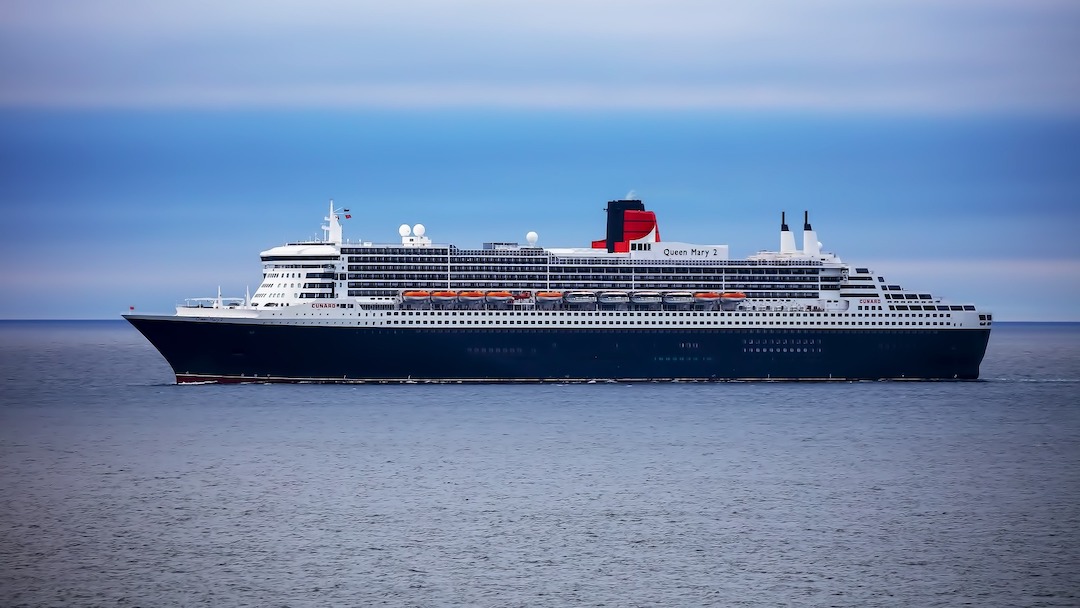
Many cruise lines offer transoceanic voyages today, mostly as repositioning cruises in April and November. Cunard’s Queen Mary 2 remains the only ship that travels back and forth across the Atlantic year-round.
Typical Transatlantic Cruise Itineraries
The typical length of a transatlantic cruise on Norwegian Cruise Line (NCL), for example, is between 12 and 16 nights. The cruises usually travel from Florida to Europe, such as Miami or New York City to London or Barcelona, or vice versa. Two 16-night itineraries currently offer travel between Rio de Janeiro and Lisbon, or Lisbon and San Juan.
Also, some itineraries take a more northern route from New York City to Barcelona, stopping in Iceland along the way. These cruises tend to be colder, curbing your desire to use the pool and other outdoor activities onboard. Other itineraries travel a more southern route from London to Miami via the Azores or Canary Islands. You can expect these cruises to be warmer, allowing you to enjoy more of the ship’s outdoor amenities.
What to Expect on a Transatlantic Cruise
On a transatlantic cruise, you will have more sea days with fewer port days. For some, this is a pro, and for others, this is a con. Let’s look deeper into why.
Gamblers love transatlantic cruises because of the high number of sea days, which means the casino will be open more often than on a port-heavy cruise. Sea lovers will embrace the tranquil days, taking the opportunity to relax or enjoy the ship’s entertainment (or both). People with motion sickness, however, might not enjoy the sea days as much, depending on the weather.
Speaking of weather, you never know what you’re going to get on a transatlantic cruise. The weather could be mild, with sunny days and calm seas, or it can be foggy, rainy, and chilly, with the ship rocking a bit. Frequent transoceanic cruisers tend to be a bit more resilient, willing to roll the dice on the weather during the crossing.
Transoceanic crossings usually happen in the spring and the fall, when cruise lines are repositioning their ships for where there is warmer weather. So, voyages traveling from east to west (Europe to the Americas) will be offered in the fall, and cruises from west to east (the Americas to Europe) will be available in the spring.
Another difference with a transatlantic cruise is that you can’t take advantage of roundtrip airfares from your home to the embarkation port, and then back from the disembarkation port to your home. If you live in the United States and are taking a spring transatlantic cruise, for example, you’ll take a shorter flight from home to Miami or New York, perhaps, and then a much longer flight home from a European city.
Lastly, as you cross the Atlantic, you will pass through multiple time zones, which means either losing an hour or gaining an hour each day of your crossing. As you travel from west to east, from the Americas to Europe, you lose hours, but if you travel from east to west, you gain hours. From a time perspective, this means that fall cruises are better from a time perspective, allowing you to have longer nights.
Benefits of a Transatlantic Cruise
A transatlantic cruise is a unique experience compared to other cruises, a slower voyage more focused on relaxation and the cruise experience itself, as opposed to focusing on exploring ports. You will have port days, of course, but not as many, which allows you to get to know the ship you’re on and take advantage of the many things it has to offer.
You can enjoy a massage at the spa, relax in a steam room in the thermal suite, take a cooking or a painting or a dancing class, go to a lecture about the ports coming up, exercise in the fitness center, take a walk on the promenade, possibly enjoy the pool and other water activities, and more. Truly, it’s hard to get bored on today’s cruise ships, especially the newer and larger ones.
Another benefit of a transatlantic cruise is the potential cost-effectiveness. Although your flights may be a little more expensive, the cruise is usually priced lower per day than other cruises, which is a great deal considering cruising’s general all-inclusive nature.
Popular Transatlantic Cruise Lines
Many cruise lines offer transatlantic itineraries, including:
- Cunard Line
- Royal Caribbean
- Celebrity Cruises
- Norwegian Cruise Line
- Princess Cruises
- Holland America Line
- MSC Cruises
- Carnival Cruise Line
- Disney Cruise Line
- Azamara
- Regent Seven Seas Cruises
- Seabourn Cruise Line
- Oceania Cruises
The experience that each of these cruise lines offers will differ, as some cruise lines are luxury lines while others are mass-market cruise lines. Some ships are smaller and more intimate, while others are larger and offer more amenities. You will need to do your homework about each line you’re considering to ensure their offerings align with your expectations.
Planning Your Transatlantic Cruise
Planning a transatlantic cruise involves several key steps to ensure a smooth journey.
First, decide on the timing and direction of your cruise. Since transatlantic cruises usually occur in the spring and fall when cruise lines reposition their ships between Europe and the Americas, consider whether you would rather take a westbound cruise from Europe to North America or an eastbound cruise from North America to Europe. Each direction offers unique experiences, such as starting your voyage with the old-world charm of European ports or with the vibrant cities of the United States or Canada. Research different cruise lines and ships to find one that aligns with your preferences for amenities, activities, and overall atmosphere.
Once you’ve chosen your cruise, focus on the practical details. Book your cruise well in advance to get the best cabin options and take advantage of early booking discounts. Plan your travel logistics, including flights to and from the departure and arrival ports, and consider arriving a day or two early to explore the departure city and avoid any potential travel delays.
It’s also important to review and understand the onboard policies, dining options, and entertainment schedules to make the most of your time at sea.
Finally, take advantage of the cruise line’s pre-cruise information sessions and resources to familiarize yourself with the ship and itinerary, ensuring a seamless and memorable transatlantic adventure.
Packing Essentials
Packing for a transatlantic cruise is all about balancing comfort and versatility.
Start with comfy, casual clothes for those relaxing sea days—think loungewear, T-shirts, and jeans or shorts. Don’t forget a few layers, like sweaters or light jackets, as the weather can be unpredictable on the open ocean. You’ll also want to pack some swimwear for the pool and spa areas. For evenings, especially if your cruise has formal nights, bring a couple of dressy outfits—a nice dress or button-down shirt and slacks should do the trick, except on luxury lines like Cunard that have stricter dress codes.
To pack more efficiently, consider putting together a cruise capsule wardrobe.
Shoes are important too. Bring comfortable walking shoes for exploring the ship and any ports you visit, some sandals if you are visiting warmer ports, and a pair of dress shoes for evening events. A hat, sunglasses, and sunscreen are must-haves for sunny days on deck or in port.
Last, pack a small bag with essentials like medications, toiletries, and travel documents, so you’re prepared for anything. And don’t forget some entertainment—books, e-readers, or even a tablet to keep you occupied during those long, peaceful days at sea.
Final Thoughts On What Is A Transatlantic Cruise
Our eastbound transatlantic cruise from New York was an adventure, with cold foggy or rainy days during the crossing, but we still had a fabulous time. When the weather finally cleared, it was an event, with everyone digging out their swimsuits to enjoy the pools and hot tubs. At the end of the cruise, we had a flurry of port days, exploring Amsterdam, Bruges, and Paris before disembarking in London. We had so much fun, we booked a transpacific cruise to Hawaii that is coming up soon.
A transatlantic cruise isn’t for everyone, but for many is the perfect long vacation. If your schedule allows you to travel for a couple of weeks, consider booking a transatlantic cruise. It will be a unique experience that will create lasting memories.
Happy cruising!

LET’S BE SOCIAL: Follow us on Facebook, Instagram, Pinterest, and YouTube.
Planning to book a cruise? We have some tips for you.