10 Tips For How To Avoid Tourist Traps Like A Pro

DISCLOSURE: Stylish Cruising contains affiliate links and is a member of the Amazon Services LLC Associates Program, as well as affiliate programs with other companies. If you make a purchase using one of these links, we may receive compensation at no extra cost to you. To learn more, please see our Privacy Policy.
Imagine you’ve traveled thousands of miles and have finally arrived at your bucket-list destination, only to be disappointed by overpriced food and cheap souvenirs sold in crowded tourist traps. It’s enough to ruin any vacation!
But don’t worry. In this post, we have traveled in many countries on different continents and will guide you on how to avoid tourist traps and make the most of your vacation.
First, let’s talk about what tourist traps are.


What Are Tourist Traps?
A tourist trap is a popular destination, attraction, activity, or service that targets tourists and is often characterized by overpricing, low-quality goods or services, and a focus on commercialism rather than providing an authentic or high-quality experience. These locations or activities are designed to capitalize on the influx of tourists, taking advantage of their unfamiliarity with local customs, prices, and attractions.
Tourist traps are frequently found in popular tourist destinations and can include restaurants, shops, tours, and other attractions that prioritize profit over delivering a genuine and enjoyable experience to visitors.
Travelers are encouraged to be discerning and use caution when exploring tourist-heavy areas to avoid falling into common tourist traps and scams. Some of these can include:
1 | Overpriced Restaurants Near Major Attractions
Restaurants located right next to popular tourist attractions often charge higher prices for mediocre food. Venture a bit farther and wander the side streets to discover more authentic and reasonably priced dining options.
2 | Pushy Street Vendors
Be wary of street vendors aggressively promoting their products. While some may offer genuine goods, others might sell cheap low-quality items at inflated prices. Politely decline and explore more reputable shops.

3 | Unofficial Guided Tours
Some individuals may offer unofficial guided tours near famous landmarks. These tours could lack accuracy, professionalism, or safety standards. Stick to reputable tour operators recommended by travel guides or trusted sources like Viator.
4 | Taxi and Transportation Scams
Be cautious of taxis that don’t use meters, turn off the meters, or charge exorbitant prices. Use official transportation services, ride-sharing apps, or public transportation to avoid falling victim to scams.
5 | Fake Souvenir Shops
Shops selling “local” souvenirs near tourist attractions might offer mass-produced items rather than authentic local crafts. Research local markets and shops away from popular sites for genuine locally made items that would make thoughtful gifts and would be worth taking home.
6 | Attractions with High Entrance Fees
Some attractions may charge exorbitant entrance fees, especially if they are hyped as “must-see” destinations. Prioritize experiences that genuinely interest you, and research entrance fees in advance to avoid surprises.
7 | Photography Scams
Be cautious of individuals offering to take your photo, especially in crowded areas. Some may demand payment afterward. Consider bringing a small tripod or politely decline and ask a fellow traveler for assistance.
Also, avoid taking photos with costumed locals at attractions unless you are willing to pay for the privilege. I learned this the hard way, as you can see by the photo below taken during a cruise to the Greek Isles. I was so naive, I honestly thought he was posing for free.

8 | Currency Exchange Kiosks Near Tourist Spots
Currency exchange kiosks near popular tourist attractions may offer less favorable rates compared to banks or official exchange offices. Research the best places for currency exchange in advance, or better yet, order foreign currency in small denominations from your own bank before you travel.
9 | Free or Discounted Offers
Beware of offers that seem too good to be true, such as free tours, discount coupons, or prize winnings. These may lead to hidden costs, timeshare pitches, or scams.
For example, don’t allow someone to put a “free” bracelet on your wrist, give you a “free” shoulder or foot massage, braid your hair, take their photo, or take your photo. These activities always involve a high-pressure demand for money afterward.
10 | Timeshare Presentations
Avoid attending timeshare presentations that offer freebies in return. These presentations can involve high-pressure sales tactics and may not be worth the time and potential hassle.
How To Avoid Tourist Traps
Avoiding tourist traps isn’t hard but it does take some homework and extra effort. It also involves getting out of your own comfort zone. Read on for some tips.
1 | Do Some Research Beforehand
First and foremost, research is essential to avoid tourist traps. Read up on travel blogs and forums to understand the best places to visit, eat, and shop in your destination. Research reviews of tours, attractions, and restaurants in various neighborhoods to make informed decisions beforehand.
By doing a little homework, you can easily avoid crowded places and find hidden gems that will undoubtedly enhance your travel experience.
2 | Get Off the Beaten Path
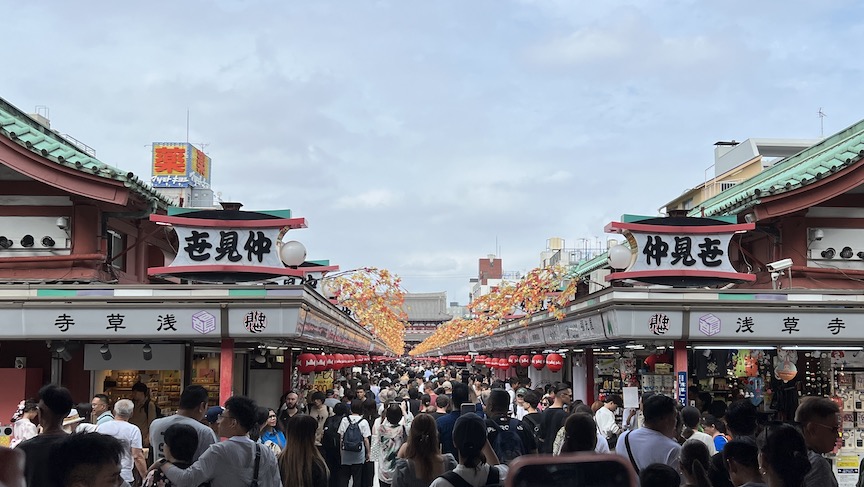
Most tourists flock to top-rated tourist spots and attractions, promoting a never-ending cycle of long lines, overpriced tickets, and congestion. Instead, get off the beaten path and wander through the side streets to discover local shops and eateries with authentic experiences and more reasonable prices. Enjoy a walk in the park or take a bike tour to explore the city’s lesser-known corners.
Believe us, with a little creativity and some research, the memories created in unique and authentic places will be unforgettable.
3 | Ask the Locals for Advice
Who better than locals to guide us to the best places? They know the details and nuances of the culture and lifestyle better than any travel guide or travel agency. Ask street vendors, hotel employees, or taxi drivers about places to eat or shop, and you might be surprised by their suggestions.
Not only will following their advice avoid tourist traps, but it can also lead to a unique and immersive cultural experience.
4 | Avoid Peak Season
High tourist season almost certainly means overpriced goods, congested streets, and long lines at every attraction. So, if possible, try to avoid traveling during the peak season and consider shoulder season for your trip. Not only will you save money on flights, hotels, and activities, but you will also avoid the swarms of tourists.
This will give you a chance to enjoy your travel destination on your terms without the crowds, and hopefully give you the opportunity to take better photos without as many people in the background.
5 | Be Skeptical of Overly Pushy Vendors
Beware of vendors who aggressively promote their goods or services. Authentic experiences don’t usually require high-pressure sales tactics. Take your time to explore and choose activities, excursions, and souvenirs at your own pace, without succumbing to undue pressure.

6 | Compare Prices
Tourist traps often inflate prices, taking advantage of visitors’ unfamiliarity with local costs. Compare prices between different establishments before making purchases. This applies to everything from meals and souvenirs to transportation services.
7 | Use Local Transportation
Tourist-focused transportation services often charge higher rates. Opt for local public transportation or ride-sharing services to save money and experience the destination from a more authentic perspective. Additionally, walking can provide an opportunity to discover hidden gems along the way.
8 | Don’t Take The Tour Bus
By taking on the tour bus, you are kept captive by the tour company, which usually has kickback deals with touristy shops and restaurants. Plus, you don’t usually have the time on a bus tour to explore much on your own.
Instead, arrange for a tour by a local through a reputable tour operator, rent a bike and explore on your own, or simply wander the town and avoid the usual touristy venues.
9 | Dine Locally
While you’re exploring, have a coffee or a bite to eat at a cafe or restaurant that’s a few blocks off the beaten path. Look for venues that appear to attract locals rather than tourists. While you’re there, strike up a conversation with your waiter or other diners, and ask about the must-see or must-do things that tourists usually don’t find.
10 | Prioritize Experiences Over Things
One of the significant traps tourists fall into is the temptation to buy material possessions as a souvenir of their trip. While souvenirs can serve as an excellent memento of your travels, prioritize experiences over things. Savor the region’s authentic food, wander through local markets, and immerse yourself in cultural activities. Focusing on experiences rather than things will create long-lasting memories that will last a lifetime.
Final Thoughts On Avoiding Tourist Traps
Traveling is one of the best ways to explore new places, meet different people, and learn about diverse cultures, but falling into tourist traps can ruin a well-planned vacation. By researching beforehand, getting off the beaten path, asking the locals for guidance, avoiding peak seasons, and prioritizing experiences, you can avoid common tourist traps and create a unique and authentic travel adventure.
Enjoy your trip, stay safe, and make wonderful memories!

LET’S BE SOCIAL: Follow us on Facebook, Instagram, Pinterest, and YouTube.
Planning to book a cruise? We have some tips for you.